
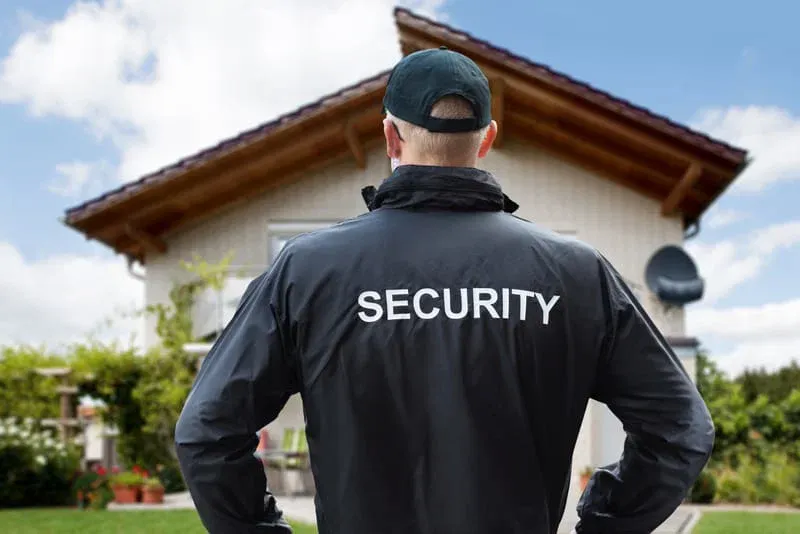
A strong choice in protection starts with understanding property needs clearly. A residential property security services provider must match the risk level of the home, layout design, and daily movement patterns. Without this match, gaps in protection remain open. Homes with multiple entry points, shared spaces, or visitor flow require structured coverage. Smaller homes may need patrol focus, while larger properties may need layered monitoring. A clear understanding of these needs helps set the base for a strong decision. A proper review of the home also includes checking how people move inside and outside the property. Some homes stay busy during the day, while others stay quiet for long hours. Security planning must match these patterns so protection feels natural and steady without leaving weak spots.
License Check and Compliance Strength
One of the first checks is legal approval. A provider must follow state rules, staff screening standards, and training requirements. Without this, service quality becomes uncertain.
A proper team should show proof of guard training, background verification, and operational approval. This ensures that staff entering the property are qualified and trusted for residential work.
Clear compliance also reflects discipline in handling sensitive home environments where safety and privacy matter. It also shows that the provider follows proper rules instead of random or unverified methods, which helps build trust for long-term service.
Real Experience in Residential Environments
Not all security teams handle homes. Some only work in events or commercial spaces. Residential properties need a different skill set.
A strong provider understands family routines, visitor flow, and quiet monitoring. Guards should know how to balance presence without disrupting daily life.
Experience in residential coverage also helps in spotting small risk signals early. These include repeated gate checks, unknown movement near boundaries, and unusual timing patterns. Over time, experienced guards learn how small signs can lead to larger risks, so they act early instead of waiting.
Guard Training and Response Behavior
Training level defines performance during real situations. Guards must know how to react during entry attempts, alarm triggers, or medical needs.
Key skills include controlled response steps, clear communication methods, safe area guidance, entry point management, and calm behavior under pressure.
Good training reduces confusion and improves safety control inside the property. A trained team does not panic during incidents. Instead, they follow steps in order so every action stays organized and safe for people inside the home.
A trained guard also understands how to speak clearly, move quickly, and avoid mistakes during pressure situations.
Monitoring Systems and On-Ground Coverage Balance
A strong provider does not rely on one method. It combines physical presence with monitoring support.
This may include patrol movement, access control, and camera awareness checks. The goal is early detection before risk grows.
Homes with only passive systems often miss small warning signs. A balanced setup improves awareness and reduces blind spots across the property. This creates a stronger safety net that covers both visible and hidden risk areas.
Response Time and Action Readiness
Speed of action matters during home security events. A strong provider has a defined response system for different risk levels.
This includes immediate entry point control, internal area checking, visitor verification support, and emergency coordination steps.
Slow response increases exposure time. A structured system reduces this gap and improves control. Quick action also helps stop problems before they spread inside the property, keeping people and assets safer.
Reputation Based on Real Service Records
A reliable provider has a consistent service history. This includes stable performance in residential sites, proper guard behavior, and low complaint levels.
Feedback from past service use helps understand how the team performs under real conditions. It also shows how well they manage long-term assignments.
Trust builds from consistent action, not claims. A provider with strong records shows they can handle different home situations without losing control or quality.
Strong Fit Between Provider and Property Type
Every home has a different layout and risk level. A provider must adjust service style based on that structure.
Gated homes, villas, apartments, and shared communities all need different control methods. A flexible provider adjusts guard placement and monitoring style based on these needs.
This flexibility improves safety coverage and reduces weak points. It also ensures the service fits naturally into the daily routine of the property.
Final Note:
The final decision should focus on trust, response quality, and control ability. A provider must show clear structure in handling access, monitoring, and emergency action. A strong licensed security agency in Chipley, FL, ensures trained guards, proper systems, and structured home protection support. This gives homeowners a stable safety layer for daily living. It also helps reduce stress by creating a controlled environment where risks are managed in a planned way.
Choosing the right security provider shapes how safe a home stays every day. Focus on training, response strength, and residential experience before making a decision. A strong system brings better control, clear monitoring, and faster action during risk situations.